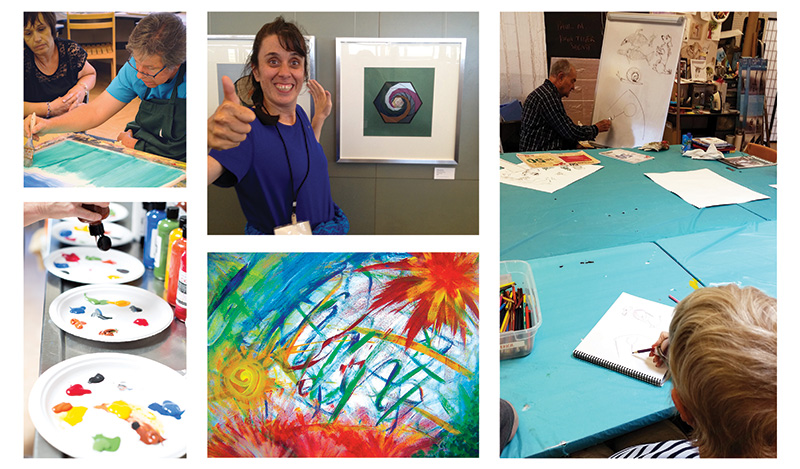
Rehabilitation for the Soul & the Brain
Feelings of loss can be replaced with new areas of growth.
The creative process of art enables this healing to start.
When a person suffers a loss or disability, it sometimes seems as though his or her whole world has fallen to pieces. Once-normal activities, such as walking, talking, and eating, may have to be relearned.
Almost all brain injury survivors remember what they were doing and the hopes and dreams they had before their injury, which often leads to a heightened feeling of failure and a loss of self-worth. They must grieve the loss of their former lives and learn to re-engage in life in new ways.
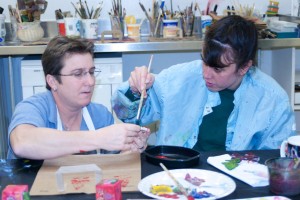 While modern medicine rehabilitates the body on a functional level, expressive arts, including visual arts, creative writing and music, are rehabilitation for the soul and the brain. The expressive art process engages the entire brain helping to build new neural connections through a process called neuroplasticity.
Art, music and poetry help brain injury survivors…
- Improve cognitive abilities (memory, reasoning, logic, attention, auditory & visual processing).
- Redevelop fine motor skills while doing activities, such as holding a paint brush.
- Stimulate mental and physical activity.
- Explore abilities through non-verbal and verbal expression.
- Learn coping strategies for potential challenges.
- Express feelings about the serious emotional and physical trauma they have experienced.
- Strengthen self-esteem.
- Foster personal growth and wellness.
- Grieve, express anger, and relieve depression.
- Cope with the change from who they were before their injury.
- Re-experience one’s self as a unique individual.
- Accept themselves as they are now.
Expressive Art Therapy Class
Connecting Our Inner & Outer Worlds
Expressive Art Therapy is a multi-modal approach utilizing different art forms to enhance cognitive, emotional, social, and physical abilities. A class combines one or more of the following: visual arts, movement, dance, creative writing, improvisation, drama, and music. Each class begins with a calming, sensory-awareness exercise followed by a creative activity. At the end of class, participants share their experiences with one another.
Studio Art Class
Re-Engaging with Our Community Through Art
In our Studio Art classes, participants are introduced to a variety of painting tools and techniques as well as the fundamentals of art and design. This class enables each artist to develop his or her own personal artistic style and express themselves through art while also relearning fine motor skills.
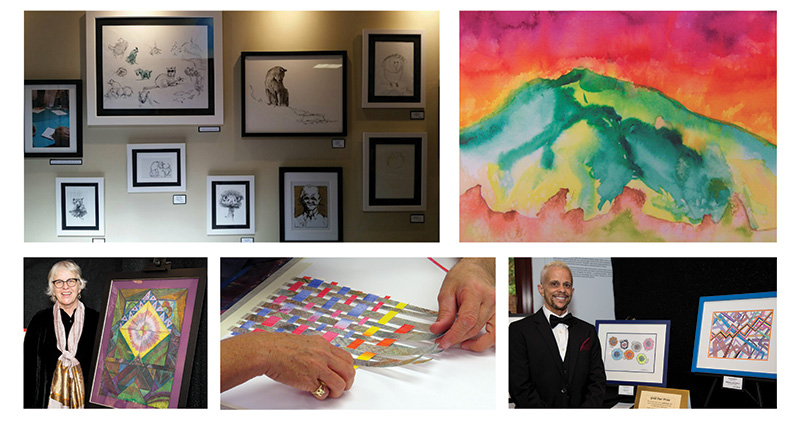
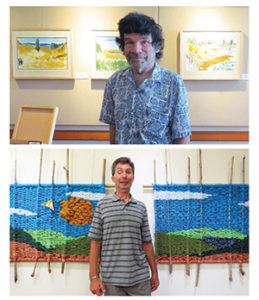
Studio Art class offers our participants a creative path to re-connect with our community and a sense of productivity. Throughout the year, the work of Schurig Center Artists is featured at art shows both at our center and in galleries and venues throughout the Bay Area. These art shows also build awareness and provide education in the community about brain injury – a highly prevalent disability that many are not aware of.
Enroll in class today!
Learn more about our current schedule of art classes on the Classes page.