Schurig Center for Brain Injury Recovery

Donate Button

Your Generosity Helps Ensure No One Has to Face Brain Injury Alone

  • About
    • Mission & History
    • Survivor Stories
    • Our Impact
    • Board of Directors & Advisory Board
    • Meet Our Team
    • Jobs
    • Videos
    • Media
    • Blog
    • Our Garden
    • What is a brain Injury?
  • Services
    • Services Overview
    • Brain Injury Information Handbook
    • Information & Resource Referral Assistance
    • Classes
    • Support Groups
    • Art Therapy
    • Concussion Education
    • Educational Services
    • Caregiver Speaker Series
  • For Healthcare Professionals
  • Ways You Can Help
  • Gala
  • Events
  • Contact

September 11, 2026 by Angela

Aneurysm Recovery Continues After the Emergency

Surviving a brain aneurysm is a life-changing milestone. But for many survivors, the hardest part may begin after the emergency is over.

A brain aneurysm can rupture without warning, turning an ordinary day into a medical crisis in an instant. Emergency treatment and rehabilitation can be lifesaving, but getting home does not always mean getting back to the life you knew before.

For some survivors, the effects of a brain aneurysm can continue for months or years. Changes in memory, concentration, communication, energy, emotions, or everyday abilities may make familiar tasks feel unexpectedly difficult. And because many of these challenges are invisible, survivors can sometimes feel that others do not understand what they are going through.

September is Aneurysm Awareness Month, an opportunity to look beyond the emergency and recognize the long-term journey of recovery. It is also a reminder that survivors and their families may need support after hospital treatment ends.

What Is a Brain Aneurysm?

A brain aneurysm is a weakened or bulging area in a blood vessel in the brain. Some aneurysms never rupture and may be monitored or treated before they cause serious harm. A ruptured aneurysm, however, can cause bleeding in or around the brain and requires immediate medical care.

Medical treatment can save a person’s life, but surviving an aneurysm does not always mean that recovery is complete. Depending on the effects of the aneurysm and any resulting brain injury, survivors may experience changes that are not immediately visible to others.

The Challenges That Can Continue After Treatment

After leaving the hospital or completing medical rehabilitation, a person may look much like they did before their aneurysm. Family members, friends, and coworkers may assume that because the person has recovered physically, everything is back to normal.

The reality can be very different.

People recovering from an aneurysm may experience difficulty with memory, concentration, communication, fatigue, emotional changes, or managing everyday responsibilities. Tasks that once felt automatic may require more time and energy. These challenges can also be unpredictable. Someone may have a good day followed by a day when fatigue or cognitive difficulties make even familiar activities feel overwhelming.

This can be frustrating not only for the survivor, but also for family members who are learning how to adjust to changes they may not fully understand.

For some survivors, the return to home and everyday life can be one of the most difficult parts of recovery. The medical emergency has ended, but life may still feel very different. That is why recovery does not necessarily end when medical care ends. Survivors may need continued support as they learn new ways to adjust to changes caused by the brain injury.

The Importance of Ongoing Support

Different types of support can help survivors continue making progress after they leave traditional medical rehabilitation. Continued cognitive therapy, for example, can help people work on skills such as memory, attention, problem-solving, organization, and other thinking skills that may have changed after a brain injury. Speech and communication support can help survivors who are experiencing difficulty finding words, understanding information, or communicating with others.

Support groups can provide something that clinical treatment cannot always offer: connection with people who have been through similar experiences. Talking with other survivors can reduce isolation and help people better understand that the challenges they are experiencing are common after brain injury. Caregiver and family support groups can offer a similar sense of connection while providing a place to share concerns and learn from others.

Practical help matters, too. Resource referral and consultation can connect survivors and families with information about services, community resources, benefits, support options, and other assistance they may need as they navigate life after an aneurysm. For many families, simply knowing where to turn can make an overwhelming situation feel more manageable.

Other forms of support may help survivors rebuild confidence and reconnect with their communities. Activities that encourage communication, creativity, social connection, and participation in everyday life can help people discover what is possible as they adjust to their new circumstances.

Ongoing support does not mean that a person has failed to recover. It recognizes that brain injury recovery can be a long process, and that the right support can help people continue working toward their goals.

Aneurysm Awareness Includes Looking Beyond Survival

During Aneurysm Awareness Month, it is important to recognize not only the urgency of diagnosis and treatment, but also what happens afterward.

Behind every aneurysm statistic is a person whose life may have changed suddenly. There is a survivor learning how to manage new challenges and a family learning how to adapt. There may also be a person who appears “fine” while working every day to cope with changes others cannot see.

Awareness can help make these experiences less invisible.

It can encourage greater understanding and support for people living with the lasting effects of an aneurysm and other forms of brain injury. Recovery takes time. Having a community that understands can make the journey feel less lonely.

Get Support After a Brain Aneurysm at Schurig Center

Schurig Center for Brain Injury Recovery serves people living with the effects of brain aneurysms and other forms of acquired brain injury. Our programs provide continued rehabilitation, hope, and community for survivors, along with support for the people who care about them.

If you or someone you love is recovering from a brain aneurysm and is looking for ongoing support, we invite you to contact Schurig Center to learn more about our services and how we may be able to help. A doctor’s referral is not needed.

info@schurigcenter.org
(415) 461-6771

Donate to Help Support Brain Aneurysm Recovery

Recovery after an aneurysm can be a long journey, and no one should have to navigate it alone. Your donation helps Schurig Center continue providing rehabilitation, support, and community to people affected by a brain injury throughout Marin, Sonoma, and the San Francisco Bay Area. Donate today and help ensure that brain aneurysm survivors and their families have somewhere to turn.
Filed Under: Aneurysm, Blog, For Family & Caregivers, For Survivors, Rebuilding Life Skills

August 4, 2026 by Angela

National Make-A-Will Month: Create a Legacy of Hope for Brain Injury Recovery

August is National Make-A-Will Month — a reminder that creating a will is one of the most important steps you can take to protect the people and causes you care about.

While many people think of a will as simply a way to distribute assets, it can also be a powerful opportunity to leave a lasting impact on the organizations and missions that have touched your life.

At Schurig Center for Brain Injury Recovery, a gift included in your will can help ensure that individuals and families affected by brain injury continue to have access to the rehabilitation, support, and community they need for years to come.

Your Will Is More Than a Legal Document

A will reflects what matters most to you. It allows you to make important decisions about your loved ones, your values, and the legacy you want to leave behind. For many people, including a charitable gift in their will is a meaningful way to support a cause they believe in, without changing their current financial plans.

These future gifts, often called planned gifts, help nonprofit organizations, like Schurig Center, build a stronger foundation for the future and continue serving the community for generations to come.

Why Your Legacy Matters

Brain injury recovery is a lifelong journey. After someone experiences a traumatic brain injury, concussion, stroke, or other acquired brain injury, the need for support often continues long after traditional medical care ends. Survivors may need ongoing rehabilitation, opportunities to rebuild skills, and a community where they feel understood. Caregivers also need support as they navigate the challenges of supporting a loved one.

Since 1985, Schurig Center has been a place of hope and healing for people affected by brain injury. Through our therapeutic programs, support groups, and resources, we help survivors and caregivers continue moving forward.

A gift in your will can help ensure this vital support remains available for future generations.

You Don’t Need to Be Wealthy to Make a Difference

A future gift of any amount can help provide continued access to services that change lives.

Many people assume that planned gifts are only for those with significant financial resources. In reality, leaving a legacy is about generosity and intention, not the size of the gift. By including Schurig Center in your will, you can help support programs such as:

  • Cognitive rehabilitation and therapeutic programs that help survivors continue their recovery
  • Caregiver and survivor support groups that provide connection and understanding
  • Art therapy and creative programs that promote confidence and self-expression
  • Educational resources that help families better navigate life after brain injury

Start Your Legacy During National Make-A-Will Month

If Schurig Center has made a difference in your life or the life of someone you love, consider including us in your estate plans. Your generosity can help ensure that future survivors and caregivers have a place to turn for support, connection, and hope.

This National Make-A-Will Month, take the opportunity to create your will and consider leaving a lasting legacy of hope through a gift to Schurig Center.

Filed Under: Blog, Ways You Can Help

October 17, 2024 by Angela

Your Generosity Helps Turns Strokes of Paint Into Strokes of Healing

A Special Message from Schurig Center’s Art Director, Midge Casler

I want to share something deeply meaningful that I believe will touch your heart – how your support helps people heal through the transformative power of art.

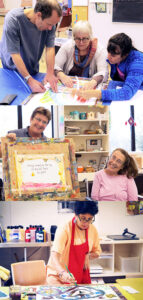
photos of artists painting

When someone experiences a brain injury, it’s not just the body that suffers. The mind, emotions, and spirit are all affected in profound ways. Simple things we take for granted, like speaking, remembering, and moving, suddenly become mountains to climb. However, the greatest struggle for many is the loss of identity and a life once known, the sense of isolation, and the emotional scars that are invisible to the outside world. This is where Art Therapy helps.

Art Therapy is not just about creating art; it’s about rebuilding one’s sense of identity. Each stroke of the brush, each color chosen, tells a story of resilience and healing.

While traditional medical treatments play an essential role in recovery, there is something profoundly healing about creative expression that often goes overlooked. But I can personally attest to the incredible healing power of Art Therapy because I witness it in action every day in Schurig Center’s art studio.

This healing magic is made possible by your giving!

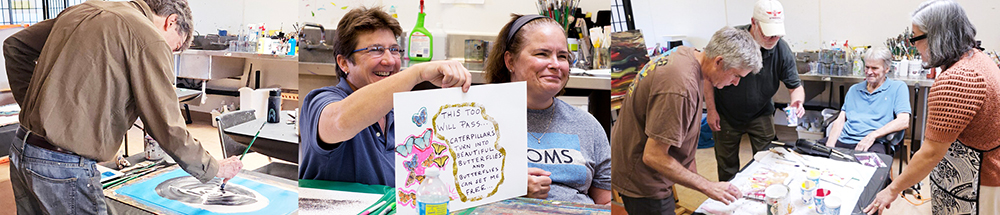
In Art Therapy group, a variety of art forms are used to enhance a person’s cognitive, physical, and social abilities while supporting their psychological well-being. Each class begins with a calming, sensory-awareness exercise followed by one or more creative activities, such as visual arts, movement, writing, and music. At the end of class, participants share their experience with one another.

Schurig Center for Brain Injury Site Icon The creative process is a powerful rehabilitative tool. Creating art engages the entire brain helping to build new neural connections through a process called neuroplasticity. This stimulation can lead to improvements in areas such as focus, concentration, memory, cognition, communication, fine motor skills, hand-eye coordination, and problem solving.
Schurig Center for Brain Injury Site Icon Art therapy provides a space for survivors to express complex feelings, process trauma, and rediscover parts of themselves they thought were lost. I’ve seen survivors who were once filled with frustration and despair find joy and calm as they put paint to canvas. I’ve witnessed tears turn into smiles as someone who felt invisible begins to feel seen, heard, and understood.

Schurig Center for Brain Injury Site Icon Art therapy fosters a sense of community and reduces isolation. Survivors create side by side in a supportive environment of understanding that reminds them they are not alone in this journey. People form strong bonds with one another, which is often even more vital to their healing than the art itself.

What’s truly remarkable is seeing someone rediscover parts of themselves they thought were gone – their confidence, their ability to connect with others, and their sense of self-worth. Some of the most touching moments I’ve witnessed is when survivors share their artwork with their families and the community through our art shows. The pride that comes from seeing others understand their emotions through art is indescribable. It fosters connection, empathy, and healing in ways that other therapies cannot.

Your generosity helps fund this life-enhancing program as well as the 12 other rehabilitative and supportive services offered at Schurig Center. This unique array of brain injury services is not available anywhere else in our area and they rely on community support. Over 80% of the revenue needed to offer Schurig Center’s programs is provided by foundations and individual donors like you. You are truly at the heart of the healing that happens at Schurig Center.

If you are in a position to help, I hope you’ll join me in improving lives and choose to donate to Schurig Center today. I can assure you that gifts of all size will help improve lives.

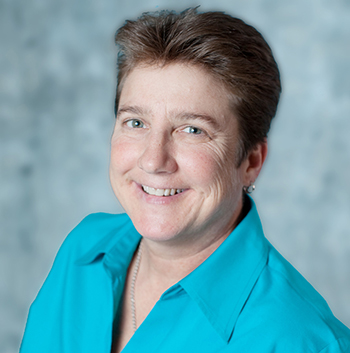
Photo of MidgePlease know your donation is not just about funding programs. Your gift gives someone a chance to heal in ways that traditional therapies sometimes cannot.Because of you, brain injury survivors have the chance to engage in supportive programs that help them begin to rebuild their lives – piece by piece. You are a part of their journey. The impact of your generosity ripples through their entire recovery, helping them regain their confidence, autonomy, and sense of self.

From the bottom of our hearts, we thank you.

Sincerely,
Midge Casler, MA, Art Program Director

photos of artists painting

Filed Under: Art & Music, Art Shows, Blog, For Survivors, Therapeutic Art Tagged With: aneurysm, apashia, art therapy, brain injury, brain tumor, charity, concussion, do good, donate, marin county, rehabilitation, San Francisco Bay Area, stroke

  • 1
  • 2
  • 3
  • …
  • 6
  • Next Page »

Recent Posts

  • Navigating the Holidays After Brain Injury: Tips for Survivors and Caregivers
  • When Brain Injury Isn’t Visible
  • When a Concussion Changes the Little Things
  • Aneurysm Recovery Continues After the Emergency

Categories


facebook icon   youtube icon   linkedin icon
twitter icon   instagram icon

Schurig Center is a nonprofit 501(c)(3) charitable organization and donations are tax deductible as allowed by law.

Tax ID #68-0105213
Legal Name: Marin Brain Injury Network

PRIVACY NOTICE

  • ABOUT US
    • Mission & History
    • Survivor Stories
    • Our Impact
    • Board of Directors & Advisory Board
    • Meet Our Team
    • Jobs
    • Videos
    • Media
    • Blog
    • Our Garden
    • What is a brain Injury?
  • Planned Giving
  • A Marin County Charity for Brain Injury Recovery
  • Marcia’s Story: Life After a Brain Aneurysm

Schurig Center logo

1132 Magnolia Avenue
Larkspur, CA 94939
(415) 461-6771
info@schurigcenter.org

facebook icon  youtube icon  linkedin icon  x icon  instagram icon

  • OUR SERVICES
    • Services Overview
    • Brain Injury Information Handbook
    • Information & Resources
    • Classes
    • Support Groups
    • Art Therapy
    • Concussion Education
    • Educational Services
    • Caregiver Speaker Series


candid 2026 Platinum Seal of Transparency graphic

  • FOR HEALTHCARE PROFESSIONALS
  • HOW YOU CAN HELP
  • GALA
  • EVENTS
  • CONTACT US

© 2026; Schurig Center for Brain Injury Recovery