Schurig Center for Brain Injury Recovery

Donate Button

Your Generosity Helps Ensure No One Has to Face Brain Injury Alone

  • About
    • Mission & History
    • Survivor Stories
    • Our Impact
    • Board of Directors & Advisory Board
    • Meet Our Team
    • Jobs
    • Videos
    • Media
    • Blog
    • Our Garden
    • What is a brain Injury?
  • Services
    • Services Overview
    • Brain Injury Information Handbook
    • Information & Resource Referral Assistance
    • Classes
    • Support Groups
    • Art Therapy
    • Concussion Education
    • Educational Services
    • Caregiver Speaker Series
  • For Healthcare Professionals
  • How You Can Help
  • Gala
  • Events
  • Contact

August 4, 2026 by Angela

Taking Care of the Caregiver After Brain Injury: Why Your Well-Being Matters Too

When someone experiences a brain injury, concussion, or stroke, the focus naturally turns to the survivor’s recovery. But behind many survivors is someone providing steady support every day – a spouse, parent, child, sibling, friend, or partner who has quietly taken on the role of caregiver.

Family members often become advocates, care coordinators, transportation providers, financial managers, therapists, cheerleaders, and emotional anchors – all while trying to maintain their own jobs, relationships, and responsibilities. It’s a role few people expect, and one that can be both deeply meaningful and incredibly demanding. While caregivers often prioritize the needs of others, their own health and well-being are just as important. In fact, taking care of yourself isn’t selfish. It’s essential to being able to care for someone else.

At Schurig Center for Brain Injury Recovery, we know that recovery doesn’t happen in isolation. Supporting caregivers is an important part of supporting brain injury survivors because healthy caregivers are better able to provide the stability that long-term recovery requires.

Recognizing Caregiver Burnout

Brain injury recovery is rarely a straight path. Progress can be slow, setbacks may occur, and the uncertainty can feel overwhelming. Over time, the responsibilities of caregiving can lead to burnout. You may recognize some of these signs:

  • Feeling physically or emotionally exhausted
  • Difficulty sleeping or concentrating
  • Loss of interest in activities you once enjoyed
  • Increased irritability or anxiety
  • Feeling isolated from friends and family
  • Feeling guilty when taking time for yourself
  • Neglecting your own health appointments or needs

These feelings are common, but ignoring them doesn’t make them disappear. Left unaddressed, burnout can affect both your health and your ability to support your loved one.

Self-Care Is Part of the Care Plan

Taking care of yourself isn’t a luxury. It’s part of being an effective caregiver. Self-care doesn’t have to mean taking an entire day off or going on vacation. Even small moments can help restore your energy and resilience.

Consider making time to:

  • Schedule regular breaks, even if they’re only 15–30 minutes.
  • Take a short walk or spend time outdoors.
  • Stay connected with friends and family.
  • Eat nutritious meals and stay physically active.
  • Get enough sleep whenever possible.
  • Continue hobbies that bring you joy and a sense of identity.
  • Schedule your own medical appointments and prioritize your health.
  • Ask for help before you reach the point of exhaustion.

Remember, you cannot pour from an empty cup. Caring for yourself allows you to continue caring for others.

It’s Okay to Ask for Help

Many caregivers feel they should be able to handle everything on their own. But caregiving isn’t meant to be a one-person job.

If family members or friends ask how they can help, be specific. Someone may be able to prepare a meal, provide transportation, run errands, stay with your loved one for a few hours, or simply offer companionship.

Professional services, community organizations, and local resources can also help lighten the load. Accepting help isn’t a sign of weakness. It’s a way to build a sustainable support system for both you and your loved one.

Give Yourself Grace

Recovery after a brain injury is often measured in months and years, not days or weeks. Progress may come in small steps, setbacks may occur, and emotions can change from one day to the next.

You don’t have to be perfect.

Celebrate small victories. Be patient with your loved one — and with yourself. Some days simply making it through the day is enough.

The Value of Support Groups

One of the most powerful reminders a caregiver can receive is this: You are not alone.

Support groups provide a safe, welcoming space to connect with others who understand the unique challenges of caring for someone with a brain injury. Sharing experiences, asking questions, celebrating successes, and learning from others can reduce feelings of isolation while offering practical strategies for navigating everyday life.

Many caregivers find that support groups become an important source of encouragement, hope, and lasting friendships.

Schurig Center Is Here for You

At Schurig Center for Brain Injury Recovery, we believe that caregivers deserve support just as much as survivors do. Our caregiver support groups provide a welcoming community where family members can share experiences, gain practical resources, and receive encouragement from others who understand the unique challenges of caring for someone with a brain injury.

If you are caring for a loved one with a brain injury, stroke, or concussion, we invite you to learn more about Schurig Center’s caregiver support services and discover a community that understands what you’re going through.

Contact our Intake & Resource Coordinator today at:

(415) 461-6771
info@schurigcenter.org

You don’t need a doctor’s referral and there is no charge for the initial call.

Your Generosity Helps Caregivers and Brain Injury Survivors Thrive

Recovery after brain injury is a journey that affects the whole family. Your support helps Schurig Center provide rehabilitation, resources, and a caring community for survivors and caregivers who need guidance and connection beyond the hospital. Together, we can ensure no one faces the challenges of brain injury recovery alone.

Filed Under: For Family & Caregivers

February 23, 2021 by Angela

Help Raise Awareness About Brain Injury


more than brain injury icon

Join the #MoreThanMyBrainInjury Campaign

At least 5.3 million adults and children in the U.S. are living with brain injury-related disabilities.

That’s one in every 60 people.

If you know someone who is living with brain injury – or if you have one yourself – you know that brain injury is not an event or an outcome. It’s the start of a misunderstood, misdiagnosed, underfunded neurological disease. Brain injury is often called the “silent epidemic” because public recognition of the injury is low despite the high number of people who are injured each year. The effects of brain injury are also often invisible to an unknowing observer.

Join the #MoreThanMyBrainInjury campaign to help:

  • Educate others about what it’s like to live with a brain injury
  • Increase understanding of brain injury as a chronic condition
  • Reduce the stigma associated with having a brain injury
  • Showcase the diversity of injury and the demographics of the community
  • Improve care and support for individuals with brain injury and their families

Ways You Can Help

Donate or fundraise to help ensure no one is alone after a brain injury.

Despite the pandemic, people are still experiencing brain injuries. There are few services available to help people adjust to the significant life changes that can happen after a brain injury. This year, Schurig Center has seen an increase in people contacting us for help, and the number of people we serve living on a low income has increased to 75% of our clients. With your help, we hope to raise $20,000 in March 2021. Your donation or personal fundraiser today will help provide access to continued rehabilitation, education, and support to hundreds of survivors and their family members this year. You help improve lives and abilities. Thank you!

Share your story.

If you or a loved one is living with the effects of a brain injury, share your story on your social media accounts using the hashtag #MoreThanMyBrainInjury.

Know the facts.

At least 3.6 million people in the U.S. sustain brain injury each year. Want to learn more? Click here to learn more about brain injury.

Connect.

Talk with someone with a brain injury and listen to their story. Invite someone you know living with a brain injury to social gatherings or for a fun day out. Humans are hard-wired for connection with others. Isolation and loneliness are common for people living with the effects of a brain injury. Even a simple gesture like a phone call or email to say “hello” can send a meaningful message to a friend living a brain injury that they are not alone.

Speak out.

Advocates like you are our greatest asset. Why not write a letter to the editor of your local newspaper explaining to your community why they should care about brain injuries. Write a positive review about Schurig Center’s programs on Great Nonprofits, Yelp, Google, or Facebook. Your kind words will help more survivors discover and benefit from our healing services and connect us with more potential donors to help fund our mission.

Why #MoreThanMyBrainInjury?

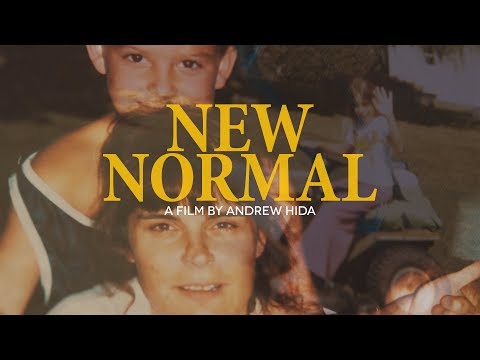
Many people with disabilities have their lives defined for them. The More Than My Brain Injury campaign gives individuals a chance to overcome those definitions, allowing them to tell their own stories and change the narrative of their lives. If you haven’t seen it yet, we invite you to watch “New Normal,” an 8-minute film by filmmaker Andrew Hida about Pam and Jeff’s stories.

Youtube video

Filed Under: Blog, Community Integration, For Family & Caregivers, For Survivors, Ways You Can Help Tagged With: #MoreThanMyBrainInjury, aneurysm, brain injury, brain injury awareness month, concussion, donate, San Francisco Bay Area, stroke, tbi

December 6, 2018 by Angela

Gift Ideas for Brain Injury Survivors

Here’s are a few gift ideas that might help improve quality of life for your friend or loved one who is living with a brain injury, concussion, or stroke.

  1. Voice memo recorder – A helpful, auditory version of a self-stick note! This easy-to-use, hand-held gadget can be used to record messages to oneself throughout the day. Recorders are great for people who are unable to write due to aphasia or motor problems. They’re also helpful in capturing “on-the-fly” thoughts or to-do items that can be listened to later and transferred to a calendar, planner or to-do list.
  2. Journal or planner – Journals and planners are wonderful gifts to help keep a person organized and on-track with their “to-do” lists. For many survivors, they are an essential tool in managing day-to-day activities, like paying bills and attending appointments. Journals are also meaningful gifts that can help a person express his/her thoughts and emotions as they process the changes in their life after a brain injury.
  3. Subscription to an app – There are many apps available that can help enrich a person’s life after a brain injury. Calm is an app for meditation, restful sleep, mindful movement, and music for focus, relaxation, and sleep. Audible is a great app for an avid reader that may be finding that reading is more difficult after a brain injury.
  4. Scanmarker – A Scanmarker is hand-held digital highlighter and scanner pen that scans words on a paper and wirelessly uploads them to your smartphone, tablet, or computer. Wherever you use your keyboard to type – Scanmarker instantly types it for you. A great gift for a person who is unable to write legibly or type due to aphasia or motor problems.
  5. Post-it notes – A bulk supply of self-stick notes in various sizes and colors (lighter colors are best) are a great stocking stuffer to help a survivor stay organized. Strategically placed around the house, the car, or in a planner, self-stick notes are useful “reminder” tools.
  6. Automatic shut-off appliances – Auto shut-off appliances, like irons or coffee brewers, can truly be a lifesaver for a survivor whose memory may not be as good as it once was.
  7. Subscription to a meal service – Grocery shopping and preparing healthy food can be challenging after a brain injury because a person may not be able to go to the grocery store on their own. These meal services are extra helpful because food arrives portioned into the correct measurements with recipe options. Not having to worry about grocery shopping or measuring foods can really take off a lot of stress off eating healthy.
  8. Prepaid bus pass or Uber/Lyft gift card – Many survivors aren’t able to drive and must rely on public transportation or friends and family to get around town. The gift of transportation is a wonderful way to promote a feeling of independence.
  9. Gym or pool membership – Keeping active and getting ample physical exercise is good for everyone’s health, including brain injury survivors. But, a survivor may not be able to work after their injury and are unable to afford a gym or pool membership. Consider even paying for a trainer to work with the person one-on-one. An exercise, Qi Gong, or yoga DVD is also a great gift.
  10. Noise cancelling headphones – A person can often be triggered by noises after a brain injury. Noise cancelling headphones can help provide relaxation by drowning out loud, triggering noises or promote sleep for people who are very sensitive to noise while sleeping.
  11. Extra-large key chain – A great way to help someone keep track of keys. Some key chains even come with a beeper-finder feature.
  12. Pillow or weighted blanket – Headaches and difficulty sleeping are common side effects that can be experienced after a brain injury. Upgrading to a quality pillow can help reduce headaches. Buy a quality pillow or give a store gift card so the recipient can pick out a pillow of his/her preference. A weighted blanket is pretty much what it sounds like – a heavy blanket. When placed on the body, the weight feels comforting without being restrictive. It is believed to offer many benefits, including improved sleep and anxiety reduction. The weight of the blanket should be specific to the person using it. The general formula for picking a weight is 10% of the user’s body weight plus a pound or two.
  13. Adaptive eating and kitchen utensils – It can sometimes be hard to use traditional utensils to eat or prepare food after a brain injury. There are many different types of adaptive eating and kitchen utensils to help aid in the process, like adaptive silverware, a rocking knife, or snug straw.
  14. Essential oil diffuser – Essential oils are natural aromatic plant compounds that are believed to offer a variety of benefits. Peppermint can help with headaches. Lavender is known for calming and relaxing properties. Frankincense can offer wonderful mood support; help improve focus and concentration, and may reduce irritability and restlessness.
  15. Eye mask or sun blocking curtains – A brain injury survivor may experience periods of insomnia. An eye mask or sun blocking curtains can help a person sleep well during the day.
  16. Jigsaw puzzle – Jigsaw puzzles can be a great therapeutic tool to help rebuild cognitive abilities. Start with a 25-piece puzzle and graduate to larger puzzles as a person’s abilities improve.
  17. Hands-free hair blow dryer holder – After a brain injury, many people don’t have the same coordination in their hands and arms that they once had. A wall-mounted, hands-free blow dryer holder can help make creating the perfect “hair-do” much easier.
  18. Shoe lace anchors – Some survivors may find it challenging to tie shoe laces. Lace anchors are a great stocking stuffer that will help pull laces tight without having to tie.
  19. Watch – After a brain injury, people often find that they lose track of time because their “internal clock” may be off. An easy-to-read watch, showing the time, day and date can be super helpful. Many watches even come with alarm settings and displays to program in phone numbers and appointments. An alarm feature can help survivors learn to take their medications independently or serve as a reminder to cue a person to their next task or appointment.
  20. Give a gift from the heart to help make everyday living easier – Daily living with the effects of a brain injury can be challenging. There are many meaningful and personal gifts you can offer that will help improve a person’s quality of life. Offer to help organize bills or help run errands. Pay a bill. Living with a brain injury can be expensive, especially if a person is unable to work after his/her injury. Offering to pay a bill is a great way to help ease financial burdens. Hire a cleaning service. Prepare and share a home cooked meal. Not sure how you can help? Just ask.

Filed Under: For Family & Caregivers, For Survivors Tagged With: concussion, Gift ideas, holidays, Marin, Schurig Center for Brain Injury Recovery, Sonoma, stroke, survivor, traumatic brain injury

  • 1
  • 2
  • 3
  • Next Page »

Recent Posts

  • Schurig Center Welcomes Two New Board Members
  • Taking Care of the Caregiver After Brain Injury: Why Your Well-Being Matters Too
  • National Make-A-Will Month: Create a Legacy of Hope for Brain Injury Recovery
  • Protecting a Lifeline: Why Your Holiday Gift Matters for Brain Injury Survivors in Marin & the San Francisco Bay Area

Categories


facebook icon   youtube icon   linkedin icon
twitter icon   instagram icon
  • ABOUT US
    • Mission & History
    • Survivor Stories
    • Our Impact
    • Board of Directors & Advisory Board
    • Meet Our Team
    • Jobs
    • Videos
    • Media
    • Blog
    • Our Garden
    • What is a brain Injury?


facebook icon  youtube icon  linkedin icon  x icon  instagram icon

PRIVACY NOTICE

  • OUR SERVICES
    • Services Overview
    • Brain Injury Information Handbook
    • Information & Resources
    • Classes
    • Support Groups
    • Art Therapy
    • Concussion Education
    • Educational Services
    • Caregiver Speaker Series

Schurig Center logo

1132 Magnolia Avenue
Larkspur, CA 94939
(415) 461-6771
501(c)(3) Charity #68-0105213
Legal Name: Marin Brain Injury Network

  • FOR HEALTHCARE PROFESSIONALS
  • HOW YOU CAN HELP
  • GALA
  • EVENTS
  • CONTACT US


candid 2026 Platinum Seal of Transparency graphic

© 2026; Schurig Center for Brain Injury Recovery