Schurig Center for Brain Injury Recovery

Donate Button

Your Generosity Helps Ensure No One Has to Face Brain Injury Alone

  • About
    • Mission & History
    • Survivor Stories
    • Our Impact
    • Board of Directors & Advisory Board
    • Meet Our Team
    • Jobs
    • Videos
    • Media
    • Blog
    • Our Garden
    • What is a brain Injury?
  • Services
    • Services Overview
    • Brain Injury Information Handbook
    • Information & Resource Referral Assistance
    • Classes
    • Support Groups
    • Art Therapy
    • Concussion Education
    • Educational Services
    • Caregiver Speaker Series
  • For Healthcare Professionals
  • Ways You Can Help
  • Gala
  • Events
  • Contact

August 19, 2026 by Angela

The Missing Piece in Brain Injury Recovery: Why Long-Term Rehabilitation Matters

photo of hands with puzzle pieces
Image by mikdam via Canva.com

When someone experiences a brain injury, the world rallies around them.

Emergency medical teams respond. Surgeons operate. Rehabilitation specialists work tirelessly to help them regain lost abilities. Family and friends visit the hospital. There is hope and determination.

Then, something unexpected happens. The formal rehabilitation ends.

For many survivors of traumatic brain injury, concussion, stroke, or other acquired brain injuries, the journey is far from over. Yet insurance benefits run out, therapy sessions end, and people are often left asking the same question:

“What happens now?”

This is one of the greatest gaps in our healthcare system and one of the biggest misconceptions about brain injury recovery.

Recovery Doesn’t End When Therapy Ends

Unlike a broken bone that heals within weeks or months, the effects of a brain injury can continue to impact a person’s life for years. A survivor may experience ongoing challenges with memory, attention, communication, organization, emotional regulation, fatigue, confidence, and social interaction long after they have been discharged from traditional medical rehabilitation.

These challenges affect every aspect of daily life:

  • Returning to work or volunteering
  • Maintaining relationships
  • Managing household responsibilities
  • Living independently
  • Participating in community activities
  • Finding confidence and purpose again

Recovery is not a finish line. It is an ongoing process of learning, adapting, and discovering new ways to thrive.

The Science Supports Long-Term Rehabilitation

The human brain has an incredible ability to adapt and change throughout life through a process called neuroplasticity. While recovery is often most rapid during the first months after injury, people can continue making meaningful improvements years, even decades, later when they have access to consistent cognitive, emotional, physical, and social rehabilitation.

Progress may look different over time.

For one person, recovery may mean learning strategies to manage memory challenges. For another, it may mean rebuilding confidence in conversations, returning to meaningful activities, or developing new routines that make everyday life more manageable.

Recovery is not only about regaining abilities that were lost. It is about building a life that is meaningful and fulfilling after injury.

The Missing Piece: Community-Based Rehabilitation

Healthcare does an extraordinary job of saving lives and providing critical medical treatment. But what happens after the hospital stay, outpatient therapy, or insurance-covered rehabilitation ends? This is where many survivors and families experience a significant gap.

After formal rehabilitation ends, people often lose the structure, professional guidance, and social connections that supported their early recovery. Isolation can increase. Caregivers may become overwhelmed. Survivors may begin to believe they have reached their maximum potential.

But recovery does not have an expiration date.

Community-based rehabilitation provides the ongoing support many survivors need to continue moving forward. It bridges the gap between medical care and everyday life by helping people strengthen skills, build confidence, reconnect with others, and remain active members of their communities.

This is exactly why Schurig Center for Brain Injury Recovery exists.

We provide continued rehabilitation, creative therapeutic programs, support groups, resources, information, and community connections that help adults living with brain injury continue making progress long after medical rehabilitation has ended. Our programs are designed around one belief: recovery should not stop simply because insurance benefits end.

Recovery Is About More Than the Brain

Brain injury affects far more than memory, attention, or problem-solving. It can change how people see themselves.

Many survivors describe feeling as though they lost the person they used to be. They grieve careers they can no longer pursue, relationships that have changed, and independence that once felt effortless.

That is why successful rehabilitation must address the whole person, not just the injury.

Art therapy can help individuals express emotions that are difficult to put into words. Support groups provide connection with others who truly understand. Cognitive rehabilitation strengthens strategies for managing daily challenges. Therapeutic activities rebuild confidence and encourage social engagement.

These experiences are not extras. They are essential parts of recovery. Healing happens when people have opportunities to grow and rediscover what is possible.

Hope Shouldn’t Have an Expiration Date

Too often, survivors and families hear discouraging messages: “You’ve plateaued.” “This is probably as good as it’s going to get.”

While recovery may change over time, progress does not have to stop.

Every new strategy learned, every friendship formed, every conversation regained, and every independent task accomplished represents meaningful progress.

Hope should never expire simply because medical coverage does.

Why This Matters to Our Communities

Brain injury affects millions of people and touches families in every community. Yet long-term rehabilitation remains one of the least understood and least supported parts of recovery.

Community-based rehabilitation programs are not a luxury.

They help reduce isolation, support caregivers, improve quality of life, and help survivors continue participating in their communities.

Investing in lifelong rehabilitation benefits not only individuals living with brain injury, but all of us. When survivors have access to continued support, communities become more inclusive, connected, and compassionate.

A Different Vision for Recovery

At Schurig Center for Brain Injury Recovery, we see every day what is possible when people have access to ongoing rehabilitation and community. We see adults living with brain injury strengthen cognitive skills, discover creative outlets, build meaningful relationships, and regain confidence in their ability to participate fully in life.

Progress does not always happen in dramatic leaps.

Sometimes it looks like remembering an appointment without assistance. Sometimes it looks like speaking confidently in a group after years of avoiding social situations. Sometimes it looks like reconnecting with a hobby, making a new friend, or believing in possibilities that once felt out of reach.

These moments matter. Together, they create lives filled with greater purpose and meaning. Because recovery is not measured only by what someone has regained. It is measured by what they are still able to become.

Recovery Takes a Community

At Schurig Center for Brain Injury Recovery, our mission is to provide continued rehabilitation, hope, and community for people affected by brain injury. Through an array of therapeutic and supportive services, we fill gaps in the continuum of care to help survivors and their family members continue their recovery journey after traditional medical rehabilitation has ended. We serve people in Marin, Sonoma, and the greater San Francisco Bay Area.

But we cannot do it alone.

Join Us in Helping People Thrive After Brain Injury

If this article resonated with you, here are a few ways you can help make long-term rehabilitation possible:

  • Healthcare professionals: Refer patients who have completed medical rehabilitation and would benefit from continued community-based support. A doctor’s referral is not needed to attend Schurig Center’s programs. Simply direct your patients to contact our center directly at (415) 461-6771 or info@schurigcenter.org.
  • Family members and friends: Share Schurig Center with someone living with the effects of a brain injury, concussion, or stroke. The right support can make all the difference.
  • Community members: Help raise awareness that recovery continues long after hospital care ends.
  • Donors and corporate partners: Your investment helps ensure adults living with brain injury have access to life-changing rehabilitation services, regardless of their financial circumstances.

Every referral expands someone’s opportunity for recovery. Every conversation helps reduce the stigma surrounding brain injury. Every donation makes it possible for another person to continue their recovery journey and thrive.

Together, we can ensure no one has to navigate recovery alone.

Filed Under: A Day at the Center, Community Education, Community Partnerships, Ways You Can Help

October 8, 2024 by Angela

Inside/Out: Unmasking the Inner Journey of Brain Injury Survivors

The Karen G. Schurig Art Studio is pleased to present The Inside/Out Project

Brain injury is often referred to as an “invisible disability.” On the outside, a person with brain injury may “look fine” to others. But, in reality, the person affected by brain injury may be experiencing a range of cognitive, physical, behavioral, and emotional challenges. Through the creation of hand painted masks, The Inside/Out Project offers brain injury survivors the opportunity to explore and express how they feel others see them on the outside and how they see themselves on the inside. Below is a video featuring masks created by survivors for this project.

Building understanding with a person living with an invisible disability, like a brain injury, requires patience, empathy, and active listening. It’s important to recognize that their challenges may not always be visible, so offering support without making assumptions is key. Open communication and creating a safe space for them to express their needs can foster deeper connection and trust.

The Inside/Out Project Mask Slideshow

Youtube video

Donate Today!

Your generosity powers life-enhancing programs at Schurig Center, like Art Therapy, that help people thrive after brain injury. Thank you!

Filed Under: A Day at the Center, Art & Music, Art Shows, Blog, For Survivors, Therapeutic Art, Uncategorized Tagged With: art therapy, brain injury, concussion, recovery, stroke, tbi

June 16, 2022 by Angela

New Board of Directors Chair and Vice Chair Appointed

[Download press release here]

Schurig Center is honored to have an engaged, caring Board of Directors at our helm with expertise from an array of fields, including finance, healthcare, legal, human resources, civic leadership, and philanthropy. Throughout the year, Board members volunteer their time to ensure Schurig Center is offering high-quality services that meet the community’s needs. As we know all too well, life brings change. Our long-time Chair Kim Strub resigned from her post after 12 years of leadership. We thank Kim for all she has done for Schurig Center and the people we serve. Her positive impact will be felt for many years to come. We are honored to announce Catherine Way and Ellen Takayama have been appointed as the new Board leaders, guiding Schurig Center to more great things this year. Please join us in welcoming Catherine and Ellen to their new roles!
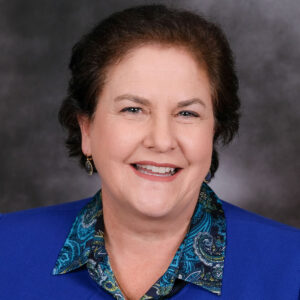
Photo of Catherine Way

Catherine Way, Chair

Catherine joined Schurig Center’s Board in 2016. She is a retired registered nurse and former managing partner of a surgical-legal consulting firm. As the daughter of a stroke survivor, Catherine brings personal knowledge of the unique challenges that brain injury survivors and their families face to regain their best quality of life after an injury. Catherine is also an active community volunteer and a dedicated public servant who currently serves on the Larkspur City Council.
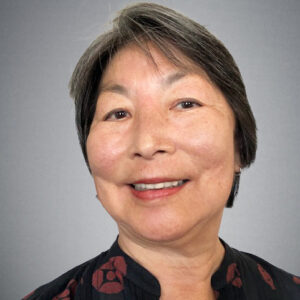
Photo of Ellen Takayama

Ellen Takayama, Vice Chair

Ellen has been a Schurig Board member since 2012, and she has led the planning of our Annual Gala event since its inception. Ellen brings a wealth of business management and human resources experience built during her 37 years with Macy’s, Inc. in various positions, including VP of Human Resources. In retirement, Ellen now enjoys travel, reading, socializing with friends, taking care of her pup, and volunteering with Schurig Center.

Photo of Kim Strub

Thank You for Your Service Kim Strub

After 12 years of service, Kim Strub has resigned from her role as Schurig’s Board Chair. Kim joined the Board in 2010 as the organization was transitioning from the loss of founder Karen Schurig. Over her term, Kim led the organization through multiple transitions and donated hundreds of hours of her time to ensure Schurig Center is a successful, respected organization that provides high quality care to everyone served. Kim creates connections in all that she does and truly offered her heart and soul to this community. We are deeply grateful! Kim will continue to support Schurig Center as an Advisory Board member.
Filed Under: A Day at the Center, Community Partnerships, Press Releases, Staff & Board of Directors, Thank You Community Supporters Tagged With: aneurysm, Board of Directors, brain injury, charity, concussion, Marin, San Francisco Bay Area, stroke, tbi

  • 1
  • 2
  • 3
  • …
  • 6
  • Next Page »

Recent Posts

  • Building a Daily Routine After Brain Injury: Practical Tips for Staying Organized and Reducing Cognitive Fatigue
  • The Missing Piece in Brain Injury Recovery: Why Long-Term Rehabilitation Matters
  • Schurig Center Welcomes Two New Board Members
  • Taking Care of the Caregiver After Brain Injury: Why Your Well-Being Matters Too

Categories


facebook icon   youtube icon   linkedin icon
twitter icon   instagram icon

Schurig Center is a nonprofit 501(c)(3) charitable organization and donations are tax deductible as allowed by law.

Tax ID #68-0105213
Legal Name: Marin Brain Injury Network

PRIVACY NOTICE

  • ABOUT US
    • Mission & History
    • Survivor Stories
    • Our Impact
    • Board of Directors & Advisory Board
    • Meet Our Team
    • Jobs
    • Videos
    • Media
    • Blog
    • Our Garden
    • What is a brain Injury?

Schurig Center logo

1132 Magnolia Avenue
Larkspur, CA 94939
(415) 461-6771
info@schurigcenter.org

facebook icon  youtube icon  linkedin icon  x icon  instagram icon

  • OUR SERVICES
    • Services Overview
    • Brain Injury Information Handbook
    • Information & Resources
    • Classes
    • Support Groups
    • Art Therapy
    • Concussion Education
    • Educational Services
    • Caregiver Speaker Series


candid 2026 Platinum Seal of Transparency graphic

  • FOR HEALTHCARE PROFESSIONALS
  • HOW YOU CAN HELP
  • GALA
  • EVENTS
  • CONTACT US

© 2026; Schurig Center for Brain Injury Recovery