Schurig Center for Brain Injury Recovery

Donate Button

Your Generosity Helps Ensure No One Has to Face Brain Injury Alone

  • About
    • Mission & History
    • Survivor Stories
    • Our Impact
    • Board of Directors & Advisory Board
    • Meet Our Team
    • Jobs
    • Videos
    • Media
    • Blog
    • Our Garden
    • What is a brain Injury?
  • Services
    • Services Overview
    • Brain Injury Information Handbook
    • Information & Resource Referral Assistance
    • Classes
    • Support Groups
    • Art Therapy
    • Concussion Education
    • Educational Services
    • Caregiver Speaker Series
  • For Healthcare Professionals
  • Ways You Can Help
  • Gala
  • Events
  • Contact

May 24, 2019 by Angela

Celebrate Summer Safely

ummer is almost here! School will be out soon and people everywhere will be enjoying vacations and outdoor recreation. Summer is also known as “trauma season” in the healthcare world due to the number of injuries that can happen during summertime activities. While this is true, there are easy things we can do to help reduce the risk of brain injury.

Here are just a few quick tips to help keep your loved ones safe while you enjoy some fun in the summer sun!

Wear a helmet.

Wear a properly fitted helmet when bicycling or engaging in any recreational activity that may result in a head injury. Although there is no “concussion-proof” helmet, a helmet is a must to help reduce the risk of a serious brain injury. After an accident, replace your helmet because it may not be as protective as it was prior to the accident. Visit the CDC’s web site for more helmet safety tips here.

Wear water safety gear and master water safety.

Whether in a pool or the ocean, wearing the appropriate water safety gear, like a life jacket, is critical to preventing injury. Make sure safety gear is well-fitted, worn correctly, and well-maintained. Always supervise children when in or around water. To reduce fall risk, discourage running near or around pools where the ground might be slippery with water. Teach kids to swim. Formal lessons can protect young children from drowning. Learn cardiopulmonary resuscitation (CPR). Your skills could save someone’s life! Get more “H2O Smart” Tips on the CDC’s web site here.

Ensure your home and backyard are safe.

Falls are a leading cause of concussion for both the young and the elderly. To reduce the risk of falls, ensure your home is well-lit and free of tripping hazards, such as electrical cords across walkways, loose rugs, or scattered toys. Consider blocking off stairways with safety gates and installing window guards. Check that outside play equipment is appropriate to the age of the children using it and that it has guardrails to prevent falls as well a soft material underneath, such as mulch or sand.

Be safe behind the wheel.

When you head out on your summer road trip, buckle up with a seatbelt and use age- and size-appropriate car seats that are properly installed for child passengers. The research is clear – belted passengers sustain fewer and less severe traumatic brain injuries compared to those who are unbelted. Find more child passenger safety here.

Be familiar with your surroundings.

When doing outdoor activities, like hiking, or engaging in any high risk sports or motor activities, make sure you are aware of the terrain you are about to encounter as well as your ability to navigate the terrain. Know the depth of water prior to diving into a pool or natural body of water. Always ensure a loved one knows exactly where you are and how to find you. Concussion can occur quickly and cause disorientation that can make it difficult to let others know you are in need of help.

Know the signs of a concussion and get treatment early.
ConcussionSmart Marin LogoA concussion is a type of traumatic brain injury (TBI) caused by a bump, blow, or jolt to the head or by a hit to the body that causes the head and brain to move rapidly back and forth. Signs and symptoms generally show up soon after the injury. However, unlike a broken leg, the signs of a concussion are often ‘invisible,’ such as a headache, disorientation, nausea, incoordination, and memory deficits.

Learn more about the symptoms at ConcussionSmartMarin.org so you can recognize them quickly.
Filed Under: Blog, Community Education, Concussion Tagged With: brain health, brain injury, concussion, concussion education, helmet safety, Marin, prevention, San Francisco Bay Area, Schurig Center for Brain Injury Recovery, summer safety, tbi, traumatic brain injury

October 29, 2018 by Angela

Your gift to Schurig Center helps address a “public health crisis”

Every day there seems to be a new feature story about concussion in the media. This is important news because concussions, a type of traumatic brain injury, happen frequently and can have lasting effects. Despite often being associated with professional and youth sports, a concussion can happen to anyone at any age from a blow or jolt to the head. Causes include falls, motor vehicle and recreation accidents, whiplash, and even seemingly minor bumps to the head, like bumping into a cabinet door.

Concussion has become an important area of research to improve understanding of its short and long-term side effects and to establish effective treatment protocols.

In a recent San Francisco Chronicle article, renowned neurosurgeon and UCSF Professor, Dr. Geoffrey Manley, shared his study findings that too many concussion patients do not receive follow-up care even when they experience ongoing post-concussive symptoms.

Many health care professionals believe concussion patients don’t need or cannot benefit from subsequent visits and treatment. Dr. Manley’s study, published in the Journal of the American Medical Association Network Open, found the opposite to be true. “This is a public health crisis that is being overlooked,” Manley said in an interview.

In fact, half of concussion patients are discharged without being warned about possible follow-up symptoms, red flags and dangers. Only 40% of the patients in Manley’s study saw a doctor or other medical provider within three months of being injured.

Dr. Manley drew parallels between traumatic brain injuries and other diseases, noting that it is important to think of a head injury as an ongoing condition rather than an isolated event.

“If you have a heart attack, you get great care,” he said. “A doctor will follow up with you. With traumatic head injuries, we have a whole bunch of people out there that when we looked at those that aren’t being seen, they needed to be seen. We have got to do a better job.”

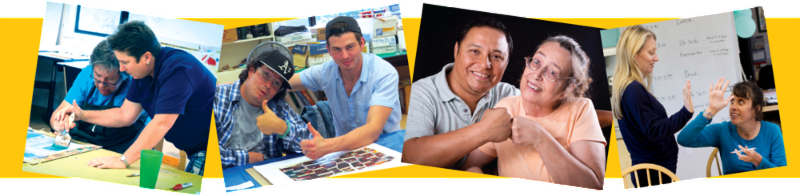
Photo bar of clients

You help people not only survive, but thrive!

As a Schurig Center supporter, you play a critical role in filling the gaps in follow-up care for people living with the effects of a concussion. You provide therapeutic and support services designed to help people improve their abilities and transition from the hospital to community living.

Your generosity helps hundreds of people each year achieve their best quality of life by providing:

A restorative community
That provides a vitally important bridge between medical intervention and survivor independence.

Customized recovery plans that offer survivors in crisis a ray of hope.
When doctors don’t have time to recommend therapists and insurance won’t pay for transitional services, you give them a place to turn.

Brain injury expertise and education
That is helping to change the future of brain injury recovery.

It’s not enough to save a life.
Everyone deserves to have a life.

Thanks to you, survivors and their families have a place to turn to get the support they need to build meaningful lives after a brain injury, from an accident, concussion or stroke. THANK YOU!

donate button

Filed Under: Blog, Concussion, Rebuilding Life Skills, Thank You Community Supporters, Ways You Can Help Tagged With: concussion, donate, Schurig Center for Brain Injury Recovery, stroke, support

September 26, 2018 by Angela

Volunteer Betty Schrohe Helps Survivors Rediscover Their Voice

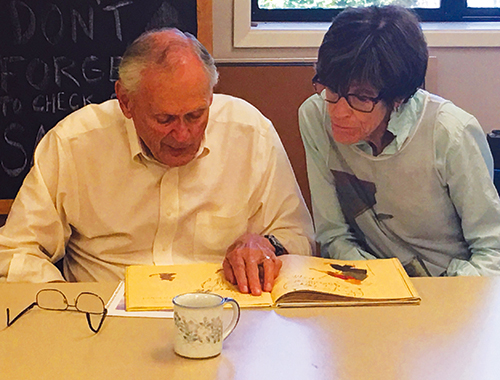
Photo of John and Betty reading

Volunteer Betty listens on as John practices his reading and speech skills with a book about Albert Einstein

At Schurig Center, “it takes a village” isn’t just a cliché, it’s the key to our success. We are deeply grateful for Betty Schrohe, one of the caring members of our active community of volunteers and donors whose contributions of time and talent power our programs.

Betty’s training in speech therapy and experience working with stroke survivors and children with disabilities were a natural fit for volunteering at Schurig Center, so she decided to jump in. For almost 10 years, Betty has assisted weekly in classes and worked individually with clients who have aphasia to help them improve their reading and speech skills by reading books aloud together. In a recent interview, Betty expressed that she has found it very gratifying to be able to assist people on their journey to recovery. She also mentioned particularly enjoying her work with stroke survivor John Nelson and shared:

“It’s exciting to watch John’s progress over time. Some days are quite challenging for him, so it’s especially exciting to be with him to celebrate on days when his speech and reading seem to be more effortless. You can really feel how much it means to him.”

Ongoing rehabilitation, like speech therapy, is critical to rebuilding skills after a stroke. Our center relies on the support of people like Betty, and you, to offer an array of services, which are designed specifically to help brain injury survivors improve their abilities. You help provide innovative, high-quality services that are not available anywhere else in our area. YOU truly are the difference that makes a difference. Thank you!

Did you know?

About 25 to 40% of stroke survivors acquire aphasia.

What is aphasia?

Aphasia is an acquired communication disorder that impairs a person’s ability to process language, speak, understand others, read, and/or write.

Filed Under: A Day at the Center, Blog, Community Partnerships, Rebuilding Life Skills, Stroke, Thank You Community Supporters, Volunteer, Ways You Can Help Tagged With: Marin, Schurig Center for Brain Injury Recovery, stroke, volunteer

  • « Previous Page
  • 1
  • 2
  • 3
  • 4
  • 5
  • 6
  • Next Page »

Recent Posts

  • Navigating the Holidays After Brain Injury: Tips for Survivors and Caregivers
  • When Brain Injury Isn’t Visible
  • When a Concussion Changes the Little Things
  • Aneurysm Recovery Continues After the Emergency

Categories


facebook icon   youtube icon   linkedin icon
twitter icon   instagram icon

Schurig Center is a nonprofit 501(c)(3) charitable organization and donations are tax deductible as allowed by law.

Tax ID #68-0105213
Legal Name: Marin Brain Injury Network

PRIVACY NOTICE

  • ABOUT US
    • Mission & History
    • Survivor Stories
    • Our Impact
    • Board of Directors & Advisory Board
    • Meet Our Team
    • Jobs
    • Videos
    • Media
    • Blog
    • Our Garden
    • What is a brain Injury?
  • Planned Giving
  • A Marin County Charity for Brain Injury Recovery
  • Marcia’s Story: Life After a Brain Aneurysm

Schurig Center logo

1132 Magnolia Avenue
Larkspur, CA 94939
(415) 461-6771
info@schurigcenter.org

facebook icon  youtube icon  linkedin icon  x icon  instagram icon

  • OUR SERVICES
    • Services Overview
    • Brain Injury Information Handbook
    • Information & Resources
    • Classes
    • Support Groups
    • Art Therapy
    • Concussion Education
    • Educational Services
    • Caregiver Speaker Series


candid 2026 Platinum Seal of Transparency graphic

  • FOR HEALTHCARE PROFESSIONALS
  • HOW YOU CAN HELP
  • GALA
  • EVENTS
  • CONTACT US

© 2026; Schurig Center for Brain Injury Recovery