Schurig Center for Brain Injury Recovery

Donate Button

Your Generosity Helps Ensure No One Has to Face Brain Injury Alone

  • About
    • Mission & History
    • Survivor Stories
    • Our Impact
    • Board of Directors & Advisory Board
    • Meet Our Team
    • Jobs
    • Videos
    • Media
    • Blog
    • Our Garden
    • What is a brain Injury?
  • Services
    • Services Overview
    • Brain Injury Information Handbook
    • Information & Resource Referral Assistance
    • Classes
    • Support Groups
    • Art Therapy
    • Concussion Education
    • Educational Services
    • Caregiver Speaker Series
  • For Healthcare Professionals
  • Ways You Can Help
  • Gala
  • Events
  • Contact

September 11, 2026 by Angela

Aneurysm Recovery Continues After the Emergency

Surviving a brain aneurysm is a life-changing milestone. But for many survivors, the hardest part may begin after the emergency is over.

A brain aneurysm can rupture without warning, turning an ordinary day into a medical crisis in an instant. Emergency treatment and rehabilitation can be lifesaving, but getting home does not always mean getting back to the life you knew before.

For some survivors, the effects of a brain aneurysm can continue for months or years. Changes in memory, concentration, communication, energy, emotions, or everyday abilities may make familiar tasks feel unexpectedly difficult. And because many of these challenges are invisible, survivors can sometimes feel that others do not understand what they are going through.

September is Aneurysm Awareness Month, an opportunity to look beyond the emergency and recognize the long-term journey of recovery. It is also a reminder that survivors and their families may need support after hospital treatment ends.

What Is a Brain Aneurysm?

A brain aneurysm is a weakened or bulging area in a blood vessel in the brain. Some aneurysms never rupture and may be monitored or treated before they cause serious harm. A ruptured aneurysm, however, can cause bleeding in or around the brain and requires immediate medical care.

Medical treatment can save a person’s life, but surviving an aneurysm does not always mean that recovery is complete. Depending on the effects of the aneurysm and any resulting brain injury, survivors may experience changes that are not immediately visible to others.

The Challenges That Can Continue After Treatment

After leaving the hospital or completing medical rehabilitation, a person may look much like they did before their aneurysm. Family members, friends, and coworkers may assume that because the person has recovered physically, everything is back to normal.

The reality can be very different.

People recovering from an aneurysm may experience difficulty with memory, concentration, communication, fatigue, emotional changes, or managing everyday responsibilities. Tasks that once felt automatic may require more time and energy. These challenges can also be unpredictable. Someone may have a good day followed by a day when fatigue or cognitive difficulties make even familiar activities feel overwhelming.

This can be frustrating not only for the survivor, but also for family members who are learning how to adjust to changes they may not fully understand.

For some survivors, the return to home and everyday life can be one of the most difficult parts of recovery. The medical emergency has ended, but life may still feel very different. That is why recovery does not necessarily end when medical care ends. Survivors may need continued support as they learn new ways to adjust to changes caused by the brain injury.

The Importance of Ongoing Support

Different types of support can help survivors continue making progress after they leave traditional medical rehabilitation. Continued cognitive therapy, for example, can help people work on skills such as memory, attention, problem-solving, organization, and other thinking skills that may have changed after a brain injury. Speech and communication support can help survivors who are experiencing difficulty finding words, understanding information, or communicating with others.

Support groups can provide something that clinical treatment cannot always offer: connection with people who have been through similar experiences. Talking with other survivors can reduce isolation and help people better understand that the challenges they are experiencing are common after brain injury. Caregiver and family support groups can offer a similar sense of connection while providing a place to share concerns and learn from others.

Practical help matters, too. Resource referral and consultation can connect survivors and families with information about services, community resources, benefits, support options, and other assistance they may need as they navigate life after an aneurysm. For many families, simply knowing where to turn can make an overwhelming situation feel more manageable.

Other forms of support may help survivors rebuild confidence and reconnect with their communities. Activities that encourage communication, creativity, social connection, and participation in everyday life can help people discover what is possible as they adjust to their new circumstances.

Ongoing support does not mean that a person has failed to recover. It recognizes that brain injury recovery can be a long process, and that the right support can help people continue working toward their goals.

Aneurysm Awareness Includes Looking Beyond Survival

During Aneurysm Awareness Month, it is important to recognize not only the urgency of diagnosis and treatment, but also what happens afterward.

Behind every aneurysm statistic is a person whose life may have changed suddenly. There is a survivor learning how to manage new challenges and a family learning how to adapt. There may also be a person who appears “fine” while working every day to cope with changes others cannot see.

Awareness can help make these experiences less invisible.

It can encourage greater understanding and support for people living with the lasting effects of an aneurysm and other forms of brain injury. Recovery takes time. Having a community that understands can make the journey feel less lonely.

Get Support After a Brain Aneurysm at Schurig Center

Schurig Center for Brain Injury Recovery serves people living with the effects of brain aneurysms and other forms of acquired brain injury. Our programs provide continued rehabilitation, hope, and community for survivors, along with support for the people who care about them.

If you or someone you love is recovering from a brain aneurysm and is looking for ongoing support, we invite you to contact Schurig Center to learn more about our services and how we may be able to help. A doctor’s referral is not needed.

info@schurigcenter.org
(415) 461-6771

Donate to Help Support Brain Aneurysm Recovery

Recovery after an aneurysm can be a long journey, and no one should have to navigate it alone. Your donation helps Schurig Center continue providing rehabilitation, support, and community to people affected by a brain injury throughout Marin, Sonoma, and the San Francisco Bay Area. Donate today and help ensure that brain aneurysm survivors and their families have somewhere to turn.
Filed Under: Aneurysm, Blog, For Family & Caregivers, For Survivors, Rebuilding Life Skills

September 4, 2026 by Angela

Building a Daily Routine After Brain Injury: Practical Tips for Staying Organized and Reducing Cognitive Fatigue

Daily life can feel more complicated after a brain injury. Tasks that once seemed automatic, such as remembering appointments, keeping track of medications, planning meals, managing paperwork, or getting out the door on time, may require more energy and attention.

The good news is that routines can make everyday life more manageable. A consistent routine reduces the number of decisions you have to make, while calendars, reminders and organizational tools can provide helpful support when memory, attention or executive functioning are affected.

The goal is not to do everything perfectly. It is to create systems that work with your brain rather than asking your brain to work harder.

Start With One Reliable Calendar

Keeping appointments, commitments and important dates in your head can take a lot of mental energy. Instead, choose one primary calendar and use it consistently. A paper planner, wall calendar or digital calendar can all work. What matters most is having one place where you record important information.

Try these strategies:

  • Enter appointments as soon as they are scheduled.
  • Include the location, time and any preparation you need.
  • Set reminders well in advance, especially for appointments that require transportation or preparation.
  • Use recurring calendar entries for regular activities.
  • Review your calendar at the same time each day.

If you use a smartphone, calendar reminders can be especially helpful. Consider setting one reminder for when you need to start getting ready and another for when you need to leave.

Turn Memory Tasks Into Reminder Tasks

Memory problems are common after brain injury. Rather than relying on yourself to remember everything, create external reminders.

A reminder system might include:

  • Phone alarms for medications, appointments or daily tasks
  • A written “to-do” list
  • Notes placed where you will see them
  • A whiteboard near the front door
  • Checklists for recurring activities
  • Automatic reminders for bills or other deadlines

Try to make reminders specific and actionable. Instead of writing “appointment,” a reminder might say, “Leave home for 2 p.m. appointment.”

External reminders are not a sign that you are failing to remember. They are tools that help reduce the amount of information your brain has to hold onto.

Keep Important Things in the Same Place

Searching for keys, glasses, paperwork or a phone can quickly become frustrating and mentally exhausting. Create a designated place for frequently used items and return them there every time. For example, keep your keys in the same bowl, medications in the same safe location and important papers in one clearly labeled folder.

You can also create a “launch pad” near your door where you keep the things you need when leaving home.

The fewer things you have to search for, the more mental energy you have for the rest of your day.

Break Big Tasks Into Smaller Steps

A task that looks simple on paper can become overwhelming when it involves many steps.

Instead of writing “clean the kitchen,” break it into smaller actions:

  1. Put dishes in the sink
  2. Load the dishwasher
  3. Wipe the counters
  4. Take out the trash

Completing one step at a time can make a task feel more manageable and provides a clear place to start. This approach can also help with larger responsibilities such as paying bills, grocery shopping, preparing for an appointment or completing paperwork.

Build Routines Around Your Energy Levels

After a brain injury, cognitive fatigue can make it harder to think, concentrate and complete tasks, especially later in the day. A schedule that looks reasonable on paper may not be realistic for your available energy.

Pay attention to when you tend to have the most mental energy. Whenever possible, schedule activities that require more concentration during those periods and save simpler tasks for times when your energy is lower.

It can also help to alternate demanding activities with easier ones. For example, after completing paperwork, you might take a break before moving on to another mentally demanding task.

Rest is part of the routine, not a reward for finishing everything.

Reduce Multitasking

Multitasking can increase cognitive demands and make it harder to complete tasks accurately. Whenever possible, focus on one activity at a time.

Turn off unnecessary notifications. Put your phone aside while completing an important task. If the television or other background noise makes it harder to concentrate, reduce distractions.

Give yourself permission to work more slowly if that helps you stay focused.

Create a Simple Daily “Home Base”

A short daily check-in can help you get oriented and reduce the need to constantly figure out what comes next.

At the beginning of your day, look at your calendar and identify your most important tasks. Keep the list manageable. You might choose one or two priorities rather than creating a long list that becomes overwhelming.

At the end of the day, take a few minutes to prepare for tomorrow. Check your calendar, gather anything you will need and make a short list of priorities.

This small routine can help create a sense of predictability from one day to the next.

Give Yourself More Time Than You Think You Need

Tasks may take longer after a brain injury because of changes in processing speed, attention, memory or fatigue.

Build extra time into your schedule rather than planning every minute of your day. If you know that getting ready for an appointment takes an hour, avoid scheduling another demanding activity immediately beforehand.

Leaving some breathing room between activities can also make unexpected delays less stressful.

Find What Works for You

There is no single “right” routine after brain injury. The most effective system is one that you can actually use consistently.

Try one strategy at a time. If a particular calendar, reminder system or checklist does not work, change it. Ask family members, caregivers or rehabilitation professionals for ideas and support when needed.

With practice, external supports can become part of your everyday routine. The goal is to conserve your cognitive energy, reduce unnecessary stress and make more room for the activities and people that matter most.

Support for Life After Brain Injury

At Schurig Center for Brain Injury Recovery, we understand the challenges of life after brain injury. Our programs help people living with the effects of a brain injury develop strategies, skills and connections that can support greater independence and participation in everyday life.

If you or someone you love is navigating life after a brain injury, you are not alone. Contact Schurig Center today to learn more about how we can help. No doctor referral is needed.

(415) 461-6771
info@schurigcenter.org

Filed Under: For Survivors, Rebuilding Life Skills

July 10, 2019 by Angela

Connecting with Furry Friends that Help People See the World

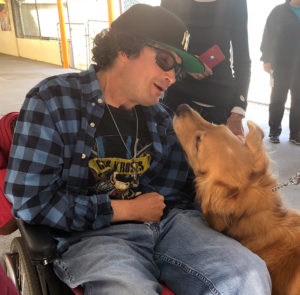
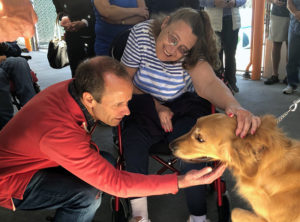
photo of participants petting dogSchurig Center’s latest Community Integration group outing happened in May with a visit to Guide Dogs for the Blind, a leading guide dog school serving people who are blind or visually impaired.
The Guide Dogs team warmly welcomed a group of Schurig Center participants, volunteers, and staff for a walking tour of the San Rafael campus to learn all about their guide dog programs, from birth and puppy socialization to training and pairing with prospective clients.

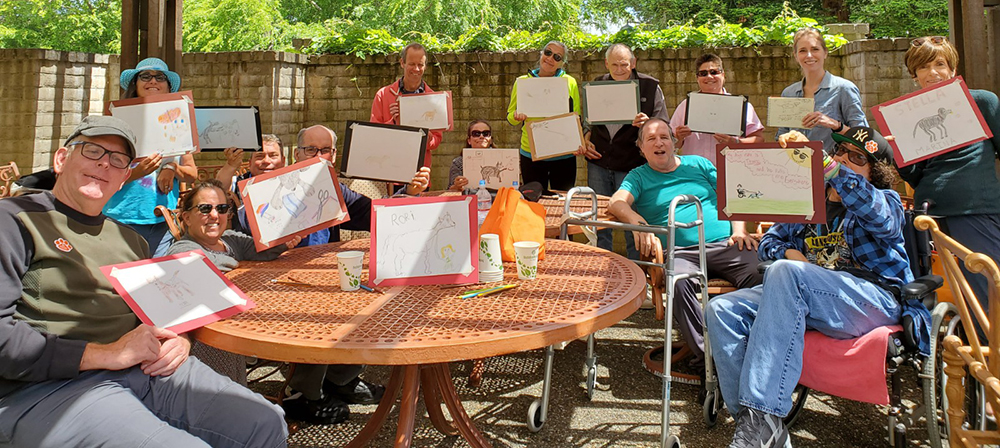
After the tour, the Schurig group wrapped up the day with lunch and an extra special art project to reflect on what they had learned during the visit – each person created and shared an original art piece depicting their very own dream guide dog.

group photo of art project participants

Community Integration… Why It Matters

Community integration outings like this one are important to the recovery process of our participants. Isolation is often one of the greatest challenges facing people living with the effects of a brain injury. These group outings help keep people active and connected by providing an opportunity for participants to:

  • Re-engage with the community
  • Build confidence through personal interactions with new people
  • Practice communication and social skills
  • Support one another through cooperation and peer-to-peer support
  • Increase their sense of independence
  • Participate and not just be an observer
  • Access experiences and activities that may not otherwise be available to them

participant with dogThe outings are also a wonderful way for members of the community-at-large to learn more about brain injury as well as to meet and get to know people living with the effects of a brain injury as unique, valuable individuals, not just as their disability.

Our community is truly stronger when everyone is included!

Thank you!

Big thanks to Keith Rosenthal and the rest of the awesome team at Guide Dogs for their time and enthusiasm to make this memorable “warm and fuzzy” day possible for Schurig’s group.

No one should have to go through brain injury alone.
Your generosity helps ensure no one does.

Schurig Center’s innovative programs are powered by the giving of foundations and individual donors, like you. We hope you’ll join us in making critically-needed services, like the Community Integration Program, possible by donating today. Your gift ensures everyone in our community has the opportunity to live happily, meaningfully, and fully. Thank you!

donate now button

Filed Under: A Day at the Center, Community Integration, Community Partnerships, Rebuilding Life Skills Tagged With: brain injury recovery, community integration, concussion, guide dogs for the blind, Marin, Schurig Center for Brain Injury Recovery, stroke

  • « Previous Page
  • 1
  • 2
  • 3
  • 4
  • 5
  • Next Page »

Recent Posts

  • Navigating the Holidays After Brain Injury: Tips for Survivors and Caregivers
  • When Brain Injury Isn’t Visible
  • When a Concussion Changes the Little Things
  • Aneurysm Recovery Continues After the Emergency

Categories


facebook icon   youtube icon   linkedin icon
twitter icon   instagram icon

Schurig Center is a nonprofit 501(c)(3) charitable organization and donations are tax deductible as allowed by law.

Tax ID #68-0105213
Legal Name: Marin Brain Injury Network

PRIVACY NOTICE

  • ABOUT US
    • Mission & History
    • Survivor Stories
    • Our Impact
    • Board of Directors & Advisory Board
    • Meet Our Team
    • Jobs
    • Videos
    • Media
    • Blog
    • Our Garden
    • What is a brain Injury?
  • Planned Giving
  • A Marin County Charity for Brain Injury Recovery
  • Marcia’s Story: Life After a Brain Aneurysm

Schurig Center logo

1132 Magnolia Avenue
Larkspur, CA 94939
(415) 461-6771
info@schurigcenter.org

facebook icon  youtube icon  linkedin icon  x icon  instagram icon

  • OUR SERVICES
    • Services Overview
    • Brain Injury Information Handbook
    • Information & Resources
    • Classes
    • Support Groups
    • Art Therapy
    • Concussion Education
    • Educational Services
    • Caregiver Speaker Series


candid 2026 Platinum Seal of Transparency graphic

  • FOR HEALTHCARE PROFESSIONALS
  • HOW YOU CAN HELP
  • GALA
  • EVENTS
  • CONTACT US

© 2026; Schurig Center for Brain Injury Recovery